

One of America’s great strengths, as said by Lee Kuan Yew, is that there are “many competing centres of excellence throughout the country.”
Thanks to the federal system, all the US states are in competition with each other and are constitutionally barred from opting out. Some have fared better than others, and when I crunched the numbers to quantify this, I found some unexpected winners. American regions cluster into cultural and economic “civilizations,” which allows us to see what factors and policies help or hurt a place’s prosperity.
So which numbers to crunch? As I described in my post on the Baby Money Index, there are only two measures that matter:
Income - Because, barring one exception, it correlates with, and thus captures, everything good (health, education, happiness etc.),
Fertility Rate - Because it’s the one exception, being anti-correlated with income
Therefore, a weighted index of income and fertility is a metric of all good things. That is the Baby Money Index, which is income multiplied by fertility squared. Below are the rankings of America’s civilizations:
America’s Top Quartile:
1. Dakota-oming
North Dakota comes in first at 338 kiloChads; its got a low cost of living, religion, and oil, along with Midwestern values (which will show up again). For those unfamiliar, that means an obligation to the local, rather than the global, prioritizing family and community, and working hard as a matter of character rather than ambition.
South Dakota embodies these values even more so, with the nation’s top fertility rate at 2.0 children per woman, but because its economic offering is regulatory arbitrage rather than oil, it has lower incomes than its northern neighbor. Wyoming is where the culture begins transitioning from communitarian Midwestern to individualistic Western, and is rather irreligious, so it rates lower than the Dakotas, but still in the country’s top quarter.

2. The Corn Corridor
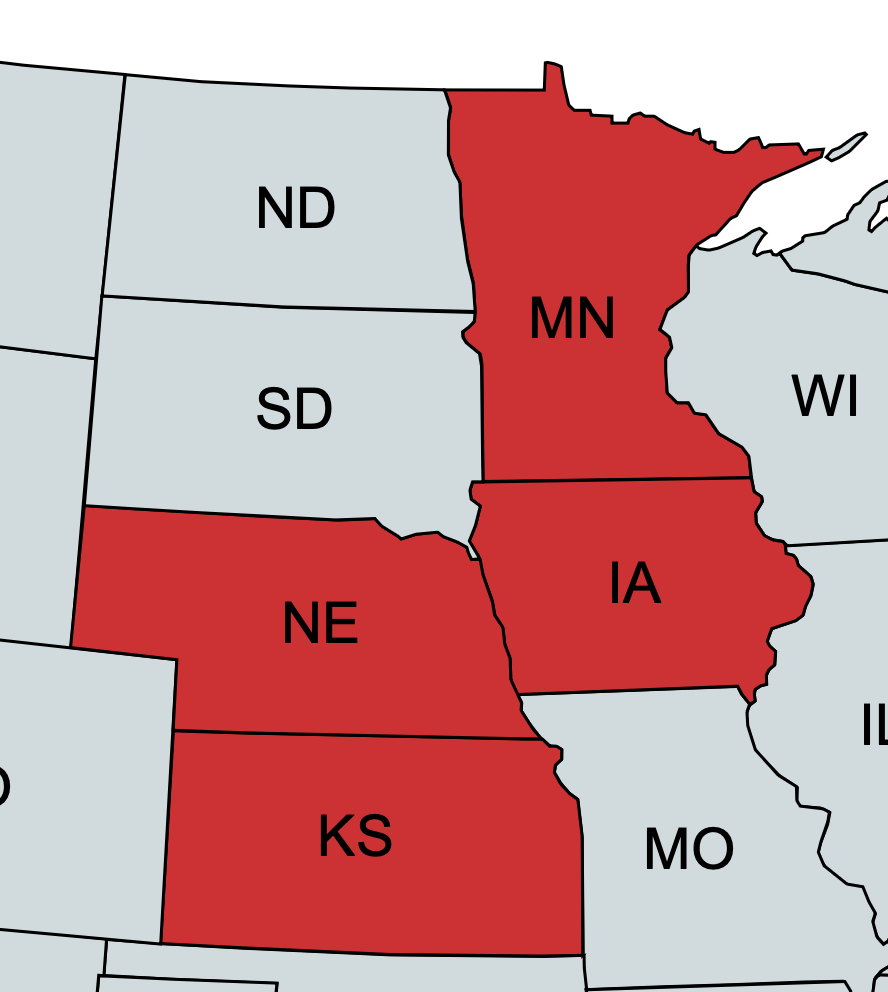
This one was a surprise to me, meaning I learned something. Nebraska is killing it at 337 kiloChads, just a hair behind North Dakota. Its lesser corn-brothers, Kansas, Iowa, and Minnesota, all similarly stack up.
This is genuinely impressive because these places don’t have an obvious geographic advantage, unless corn subsidies really are that lucrative. They combine Midwestern values, a strong service sector (Omaha is quietly a financial hub), and a low cost of living.
3. Alaska
Being a petrostate really helps.
4. Texas
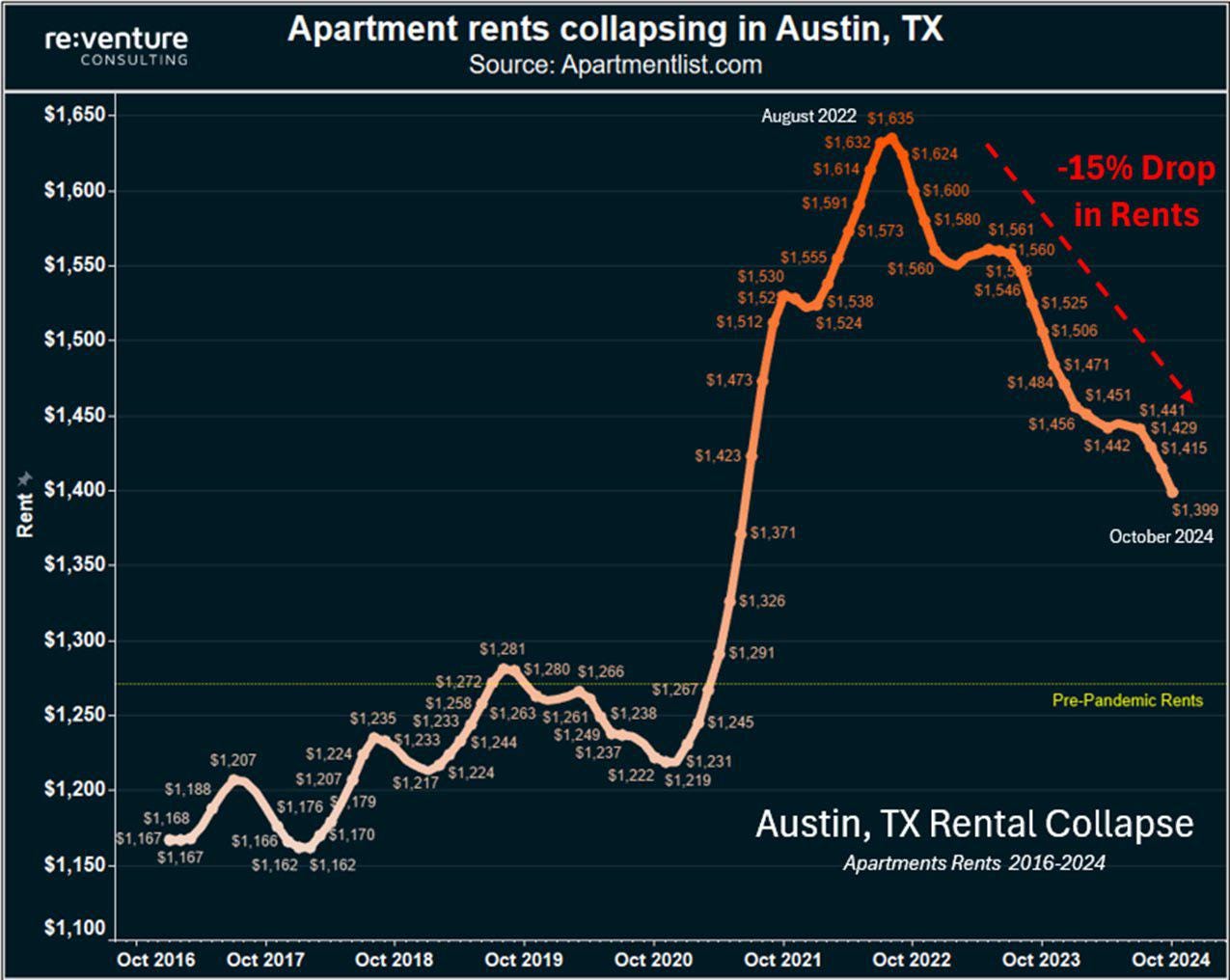
The place that started the “American Civilization” discourse. Much of its success seems to be just from being better run, though Latin American immigration and the energy sector certainly help. Rugged individualism, translating to property rights, translating to legalized homebuilding, keeps housing costs low, and even in the hot market of Austin, rents have fallen.
(Hint: Cheap, abundant housing is good for the economy and for fertility).
6. Mormons
I could have said “Utah,” but we all know it’s the Mormons. It’s a pro-natalist culture, has BYU as a subsidized education and marriage driver, and a high-trust culture with a decent tech sector. They’ve done very well for themselves despite the state being mostly a desert, and much of it seems down to culture, which may be exportable.
7. NYC
Throwing a bone to the coastal elites, the New York/New Jersey metro appears to be actually good, and Delaware is contiguous and finance-y, so it is grouped in. They do better than competitor California, which is both a bit poorer and less fertile.1
The Stragglers:
New Portlandia
The lowest-scoring states are Vermont, Rhode Island, Maine, and Oregon, with New Hampshire in 6th place. It’s basically non-BosWash New England plus Portland, which all seem spiritually similar, and I will dub New Portlandia. The vibe is good for incomes, but bad for having babies.
The Rustier Belt
The particularly hard-hit Rust Belt states of West Virginia, Michigan, and Pennsylvania underperform due to middling fertility rates combined with low incomes (plus fentanyl).
Deepish South
Mississippi and South Carolina have slightly above average fertility, but that doesn’t make up for their especially low incomes. Most of the rest of the South doesn’t do much better, including Florida, which I was surprised to find in the bottom half. I assume you are all now thinking of this Albion’s Seed book review.2
The Big Empty
Rounding out the bottom quarter, New Mexico, Montana, and Nevada really don’t seem to have much in common structurally, though they belong together aesthetically.

I found the results unexpected, so now I am going to update my state stereotypes.
San Francisco is really rich and really infertile, but I’ll save that for a city-level analysis.
10% of people I meet have read that book review, but I have yet to meet a single one who has read the book. (No, I haven’t either).
I read Albion's Seed. Well worth the (long) read.