

An underappreciated fact about the Amish is that they’re not simply Luddites. They don’t oppose technology qua technology; rather, they oppose its deleterious effects. This is why nearly all of them accept washing machines because they just make your life better, and hand-washing really sucks.
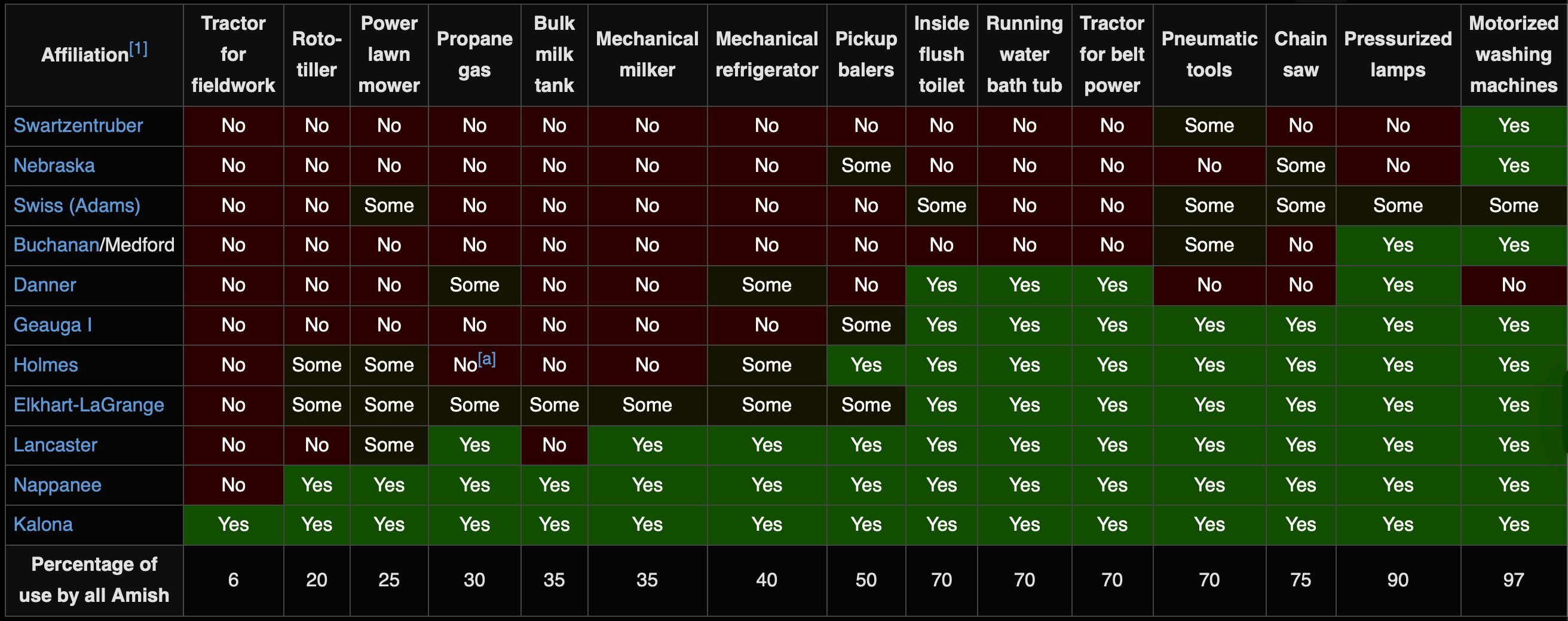
So in the same way, I’ve adopted an essentially Amish approach to technology, except instead of baselining from some point in the 1800’s, I stop at the mid 2000’s (aka the “oughties”)
Why then? In 2005, Reddit launched, and shortly after, Facebook released the News Feed, the progenitor of all the subsequent recommendation algorithms. Delivered to your pocket by smartphones (first appearing in 2007), upvotes and eyeballs tune doom-scrolling into today’s most popular addictive drug.
As I’ve written before, just how coca leaves are turned into cocaine and then crack, innocent raw materials can be continually refined into something totalizing. That’s why I stop at something like 2003 freebase.
Breaking the Cycle
Over the course of several years, I worked up to mostly banishing addictive technology from my life, and have retrospectively realized it looks like avoiding stuff post mid-2000s.
It may sound extreme, but think of it like being a non-smoker in the 60s. Everyone around you is smoking, and generally doesn’t even think about how it might be bad for you. It would seem especially abstemious and oversensitive to avoid not only smoking but also secondhand smoke. Still, it’s worth the funny looks; it’s not that you’re oversensitive, it’s that everyone else doesn’t realize they’re addicted to something bad.1
Smartphones
Some people have gone so far as to revert to flip phones, but the costs seem extremely high, with stories of people getting lost without GPS. Just last month at a dinner, a participant couldn’t split the bill because, without a smartphone, he had no Venmo or similar.
What works for me is turning your smartphone into not a flip phone, but something more like a BlackBerry.2 In practice, this means removing anything fun and addictive:
Social media apps, like Twitter, Facebook, Instagram, etc.
Video/media apps like YouTube, TikTok
Content Feeds: Reddit, and yes, Substack
Any browser on your phone, because otherwise you will just consume via the browser
The last one seems extreme, but it is completely necessary, and you’d be surprised how little you need it most of the time. For emergencies, I add it back and immediately remove it (via parental controls).
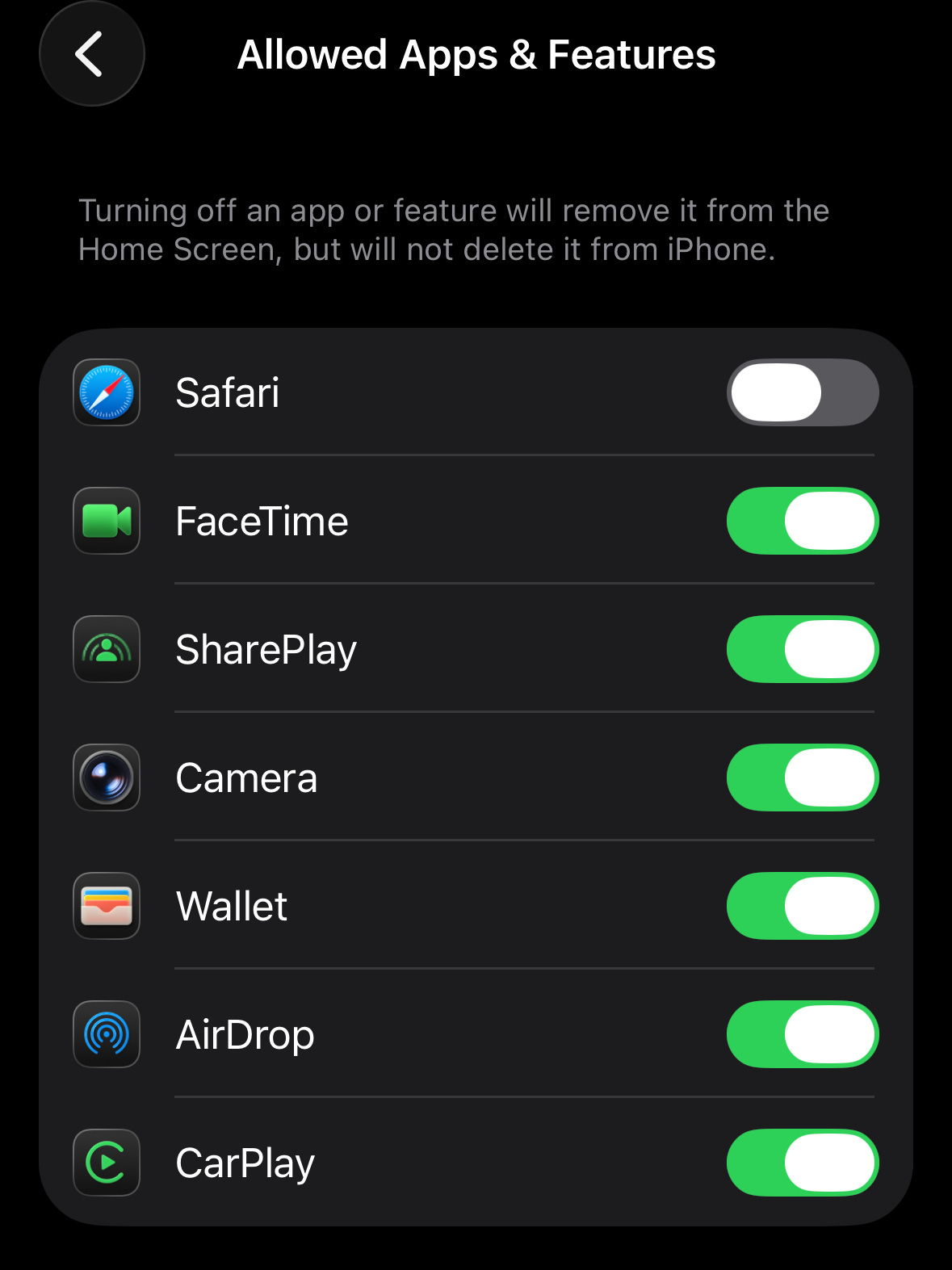
I keep all utilitarian apps and even some entertainment, like music, podcasts (without feeds), Wikipedia, audiobooks, and my lifeline to the culture: an RSS reader.
RSS Quarantine
RSS is an old internet technology that was a popular method of aggregating blogs starting in the 90’s. It effectively lets you make your own feed so you can aggreate content in a less addictive way. Here’s how:
Get an RSS reader like Reeder
Add feeds URLs of your favorite content. Most platforms have these, for example, just add “/feed” to any substack e.g. jehanazad.com/feed
If a newsletter doesn’t have a feed (most do), use kill-the-newsletter.com to turn any email newsletter into an RSS feed.
For social media like Twitter posts, use rss.app to make a feed of users you want to follow.
For links, add them to the reader app and read them there (since you no longer have a browser)
Browser Blocks
Getting your smartphone under control is 90% of the battle because it’s just so available.
Regarding laptops, try to leave them in your workspace or workplace. You probably don’t need it when you’re not working, and if all you have with you is your sanitized smartphone, your doom-scrolling options will be limited. In your workplace, you have psychological anchoring and possibly nosy colleagues to keep time wasters off your laptop screen.
You’ll still be tempted, so add one of the feed eradicators to your browser. I find these more effective than blockers, because they make the websites boring, not forbidden.
(As many of us have learned from dating, this is much more psychologically effective for giving something up.)
E-Readers
Some of you workaholics will not want to leave the laptops alone (despite also being sucked into unproductive activities). A nice stopgap here are e-readers, in particular the reMarkable, which you can write on and is about the size of a sheet of paper. It’s ideal for PDFs and web articles.
Anything that needs reading can be saved there for after-hours reading, and it’s particularly good for scientific papers.
What about LLMs?
I, like the Amish, am allowed to ask for answers from a higher power.
I have a theory that my resistance to modern social media is from being an early user of then-primitive Facebook. Like milkmaids protected from smallpox because of prior exposure to its weaker cousin, cowpox, I was exposed to a weak version of social media that produced antibodies against its modern forms.
Yes, BlackBerrys did have browsers, but they were so slow and terrible as to be unusable.