

Being in the Bay Area lately, I’ve been able to take Waymos (70+ rides and counting). They are incredible. Everyone assumes that self-driving rideshares will be preferable because they’re cheaper, but actually, they’re a better experience overall:
Hailing is More Predictable - Other rideshare apps show an expected wait time is really an optimistic estimate, based on what drivers might like, while Waymo can be sure because it’s both the dispatcher and the driver.
They’re better drivers - They see 360 degrees, are never distracted, and won’t drive like a maniac to earn slightly more. Waymo claims they’re 5-10x safer.
(Usually) No Worry About Star Ratings - You won’t get dinged unless it’s something really egregious, as opposed to say, making a driver wait.
People can be Annoying - Drivers of course (music, come-ons, smells), but also me (conversation, luggage, smells). Now, I can be as annoying as I like without consequence.
Aside from the benefits to the users, though, it’s possible everyone will benefit because they could have a positive effect on the commuters’ bane: traffic.
Reducing Total Cars
On the one hand, if self-driving rideshares become incredibly cheap on average, you’d expect people to use them more often. However, rideshares can be a substitute for car ownership, so as uptake increases, individual car ownership should decrease.
Overall, I’d expect a reduction in total cars due to much higher utilization rates. The average car is parked about 95% of the time; if any significant portion of this time was used for ridesharing, you’d need many fewer cars overall.
Congestion happens when road usage outstrips capacity, with most of it occurring during peak times. Reducing the total number of cars reduces the total possible peak traffic.
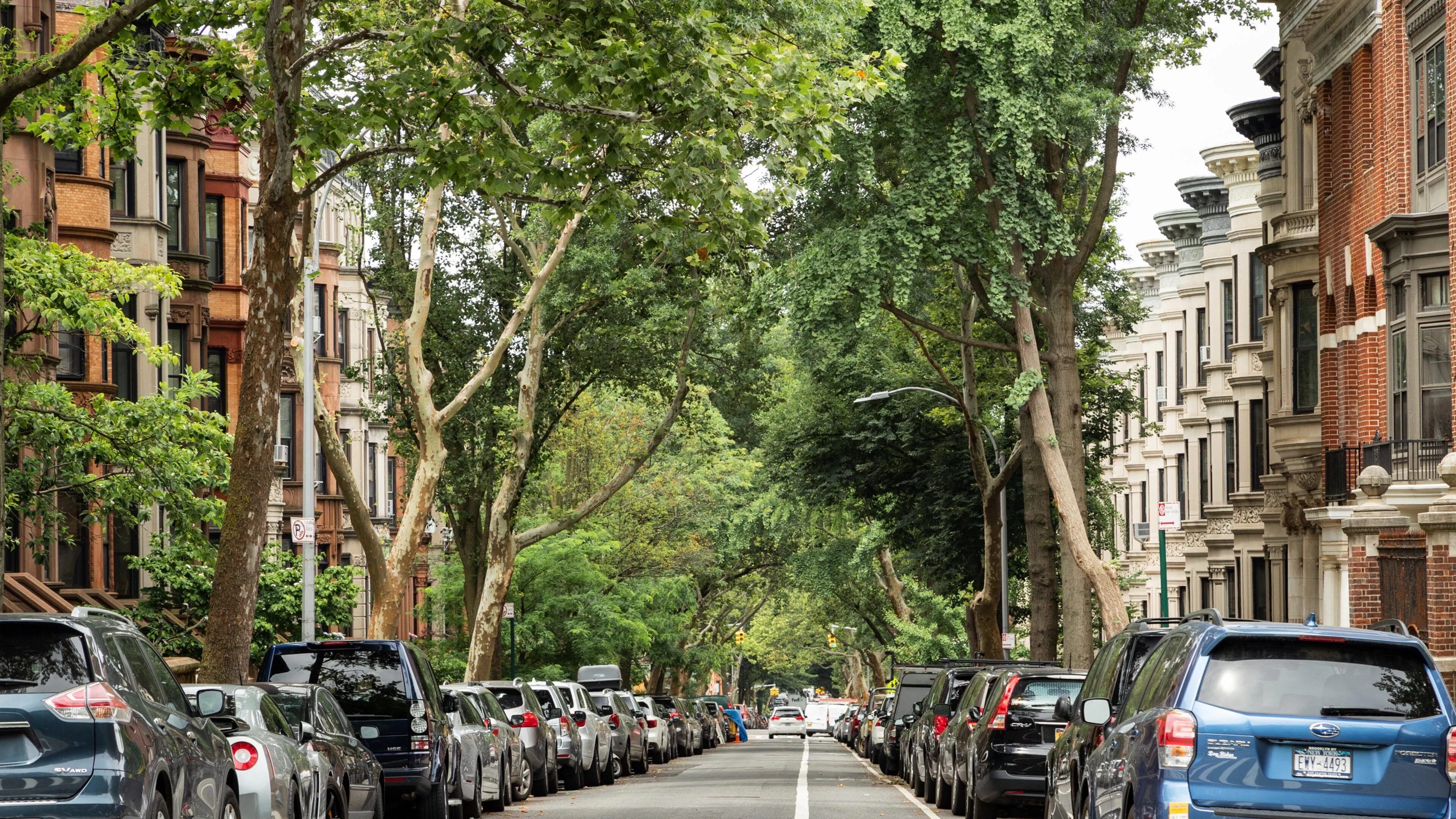
Less Parking, More Road
On urban roads, between 25 and 45% of space is used for parking, much of which could be converted into travel space. Additionally, in some neighborhoods, 45% of all traffic is of cars just circling for parking.
Fewer cars parked means more lanes and less useless circling.
Universal Price Signal
Rideshares are priced according to supply and demand, and users are relatively sensitive to pricing. This means that during peak hours, we’d expect fewer trips as the price rises, unlike private vehicles, which are mostly fixed-cost.
However, if drivers’ personal vehicles can be easily switched to ride-share mode (as Tesla has proposed), they will be foregoing a lucrative rush-hour opportunity to earn extra money. Thus, even many private vehicles will be affected by rush-hour surge pricing, and private drivers may plan their own trips around this.
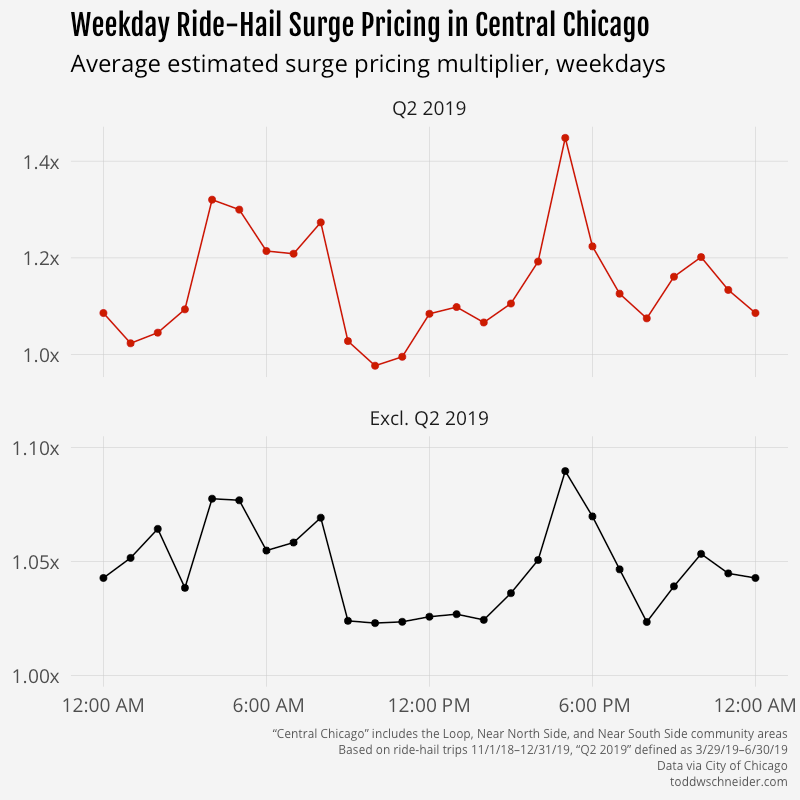
Similarly, delivery services would need to make the same trade-off, and so may organize to avoid peak times. Effectively, higher car-utilization rates caused by self-driving add a new variable price to every vehicle on the road, disincentivizing peak-time driving.
Avoided Accidents
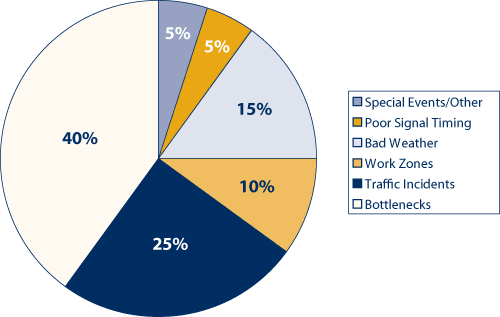
The US Department of Transportation estimates that traffic accidents are responsible for 25% of all congestion. As mentioned, if self-driving cars can reduce accidents by 80-90%, then 20%+ of congestion can be avoided.
Most self-driving accidents are still human-caused, just by the other driver. If most cars on the road were self-driving, however, the accident rate may drop even further.
Coordination and Other Efficiencies
More efficient driving from Waymos doesn’t just mean fewer accidents, but also:
They know the road perfectly, so they won’t miss a turn, slow down when lost, or get in the wrong lane.
Aren’t distracted, so won’t be slow on a green light.
Are polite, so will let you in and not cut you off.
These benefits are before even considering futuristic city-wide coordination or caravan trains on the highway. We’ve only just begun to see what's possible with greater adoption and coordination.
So, after all the tech-dystopia we’ve seen emerge, I’m thankful for the tiny bit of tech-utopia that is a Waymo.